What Is Microbiology?
(And Why You Should Care)
Right now, there are more microbes living on and inside your body than there are stars in our galaxy. Take a breath – you just inhaled thousands of them. Microbiology isn’t some distant lab science; it’s the hidden engine of your daily life.
🌍 What Counts as a Microbe?
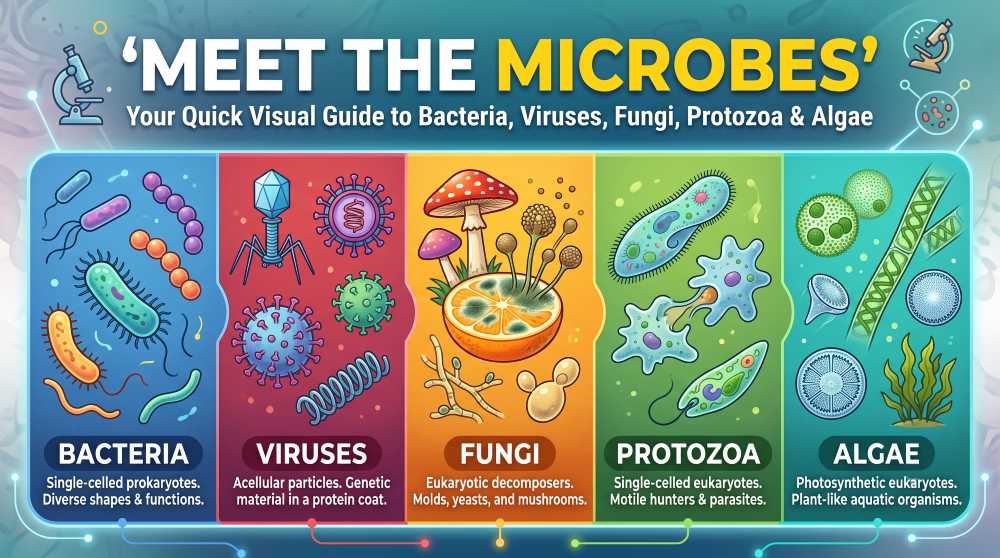
Microbiology is the study of organisms too small to be seen with the naked eye. Meet the major players:
- 🦠 Bacteria – single-celled workhorses; some make you sick, most don’t.
- 🧬 Viruses – tiny hijackers that need a host cell to multiply.
- 🍄 Fungi – yeasts and moulds (think bread, beer, and athlete’s foot).
- 🐾 Protozoa – single-celled hunters that swim in water.
- 🌿 Algae – microscopic plants producing half the world’s oxygen.
“If Earth were a house, microbes are the plumbing, wiring, foundation, and sometimes the uninvited guest – all hidden inside the walls.”
💡 Why Should You Care? (The Big Three)
Microbes aren’t just “germs.” They shape your health, your food, and the entire planet.
1. Your Health
Your gut microbiome – trillions of friendly bacteria – helps digest food, produce vitamins, and train your immune system. When pathogenic microbes invade, they cause infections like strep throat or the flu. Microbiology helps us fight back with antibiotics and vaccines.
2. Your Dinner Plate
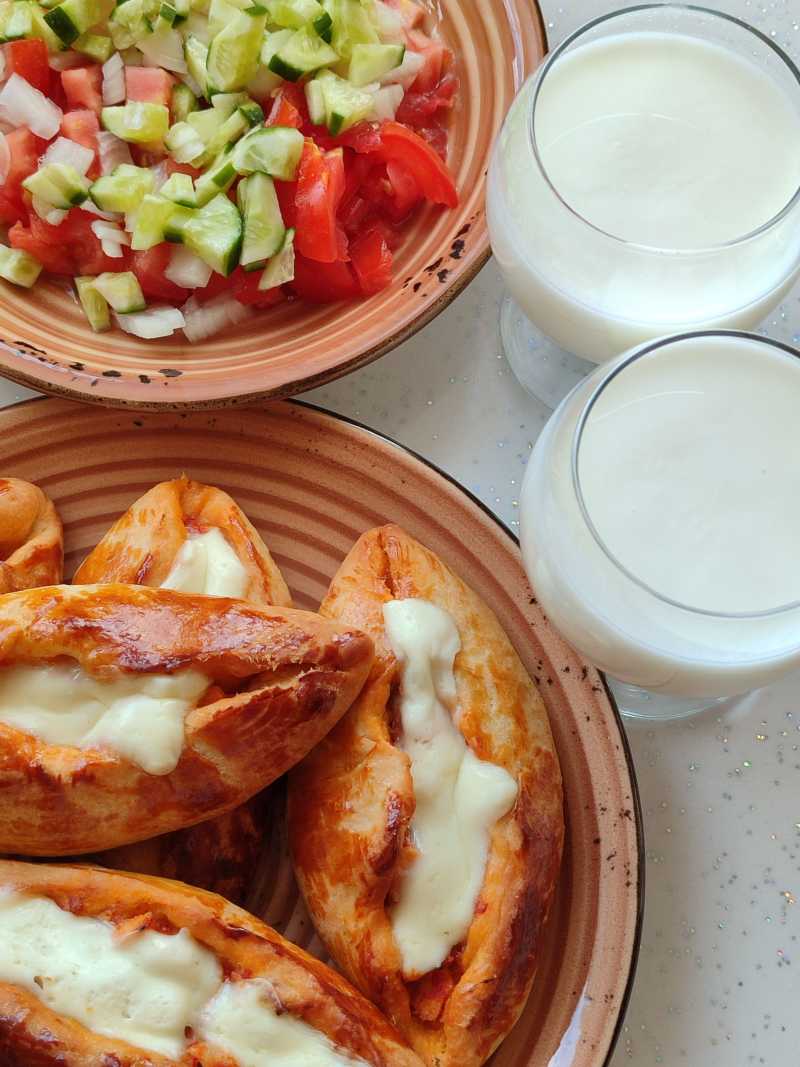
No microbes = no bread, cheese, yoghurt, wine, chocolate, soy sauce, or kimchi. Fermentation is microbiology in action. Even the decomposition that returns nutrients to the soil is a microbial job.
3. The Planet’s Survival
Ocean algae produce about 50% of the oxygen you breathe. Soil bacteria fix nitrogen so plants can grow. Even oil spills get cleaned up by specialised microbes. Life on Earth would grind to a halt without them.
🔭 A Stroll Through History
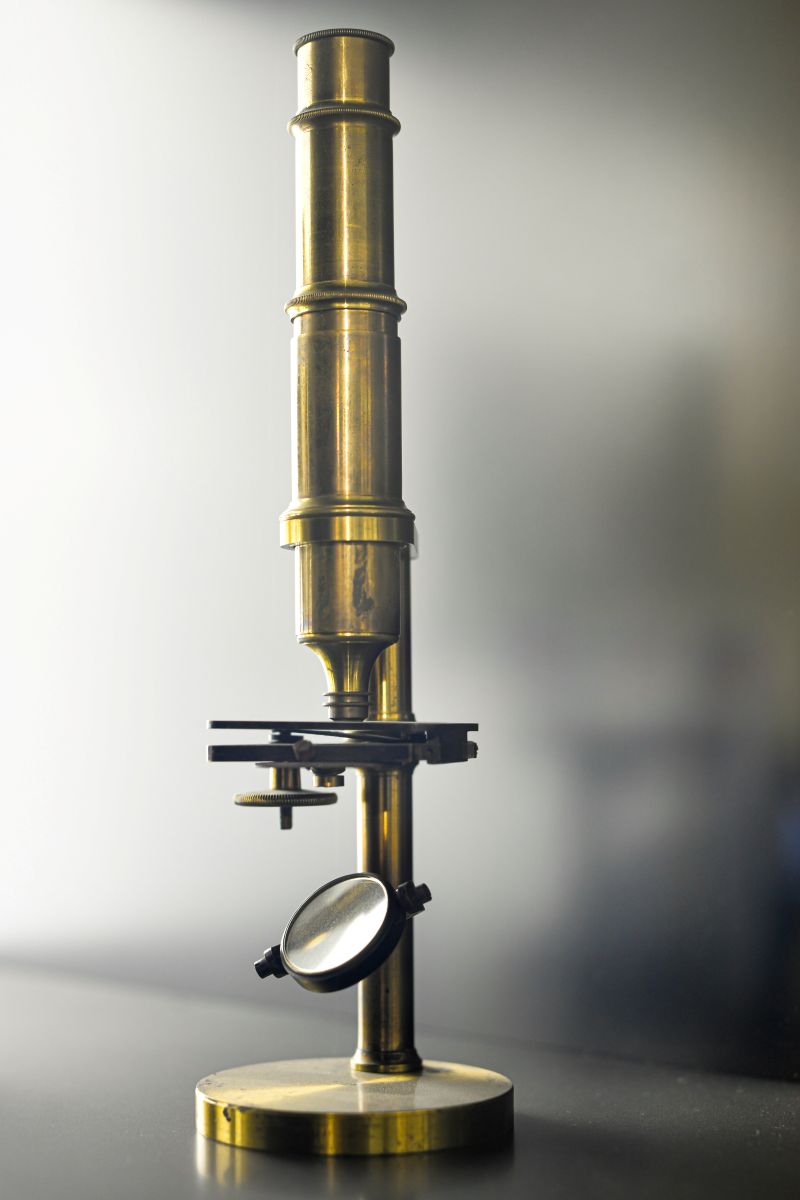
In the 1670s, Dutch cloth merchant Antonie van Leeuwenhoek built a tiny but powerful microscope and became the first human to see “little animals” in a drop of pond water. Two centuries later, Louis Pasteur and Robert Koch proved that these microbes caused diseases – overturning the old “bad air” theory and launching modern medicine.
🧬 Microbiology Today – Not Just Petri Dishes
Today, microbiologists:
- Design mRNA vaccines and hunt for new antibiotics.
- Engineer bacteria to produce insulin and biodegradable plastics.
- Study microbes that could survive on Mars.
- Develop at‑home gut microbiome tests and next‑gen probiotics.
You already interact with the fruits of microbiology every single day – you just didn’t know it.
🦠 Microbe of the Day
Name: Lactobacillus acidophilus
Superpower: Turns milk into yoghurt and helps keep your gut happy.
Hangs out in: Your intestines and that probiotic smoothie you drank this morning.
🎮 Fun Zone: Microbe IQ Quick Quiz 🧠🔬
Test your invisible-world knowledge!
1. What type of microbe is yeast, used to make bread rise?
2. True or False: All bacteria cause disease.
3. Which friendly bacterium turns milk into yoghurt?
🔑 Today’s Takeaway
Microbiology isn’t about memorising Latin names – it’s about understanding the invisible, living web that makes our world work. Once you start seeing it, you’ll never look at a slice of bread, a handful of soil, or even your own body the same way again.
👉 Over the next days, we’ll explore killer plagues, friendly fermenters, super‑powered extremophiles, and the secret life in your showerhead. Welcome to the planet of the microbes – you’ve been living on it all along.
Which microbe‑made food could you absolutely not live without? Tell me in the comments!